
How Smart Logistics Solutions Are Changing the Logistics Industry
Innodify Admin
Author
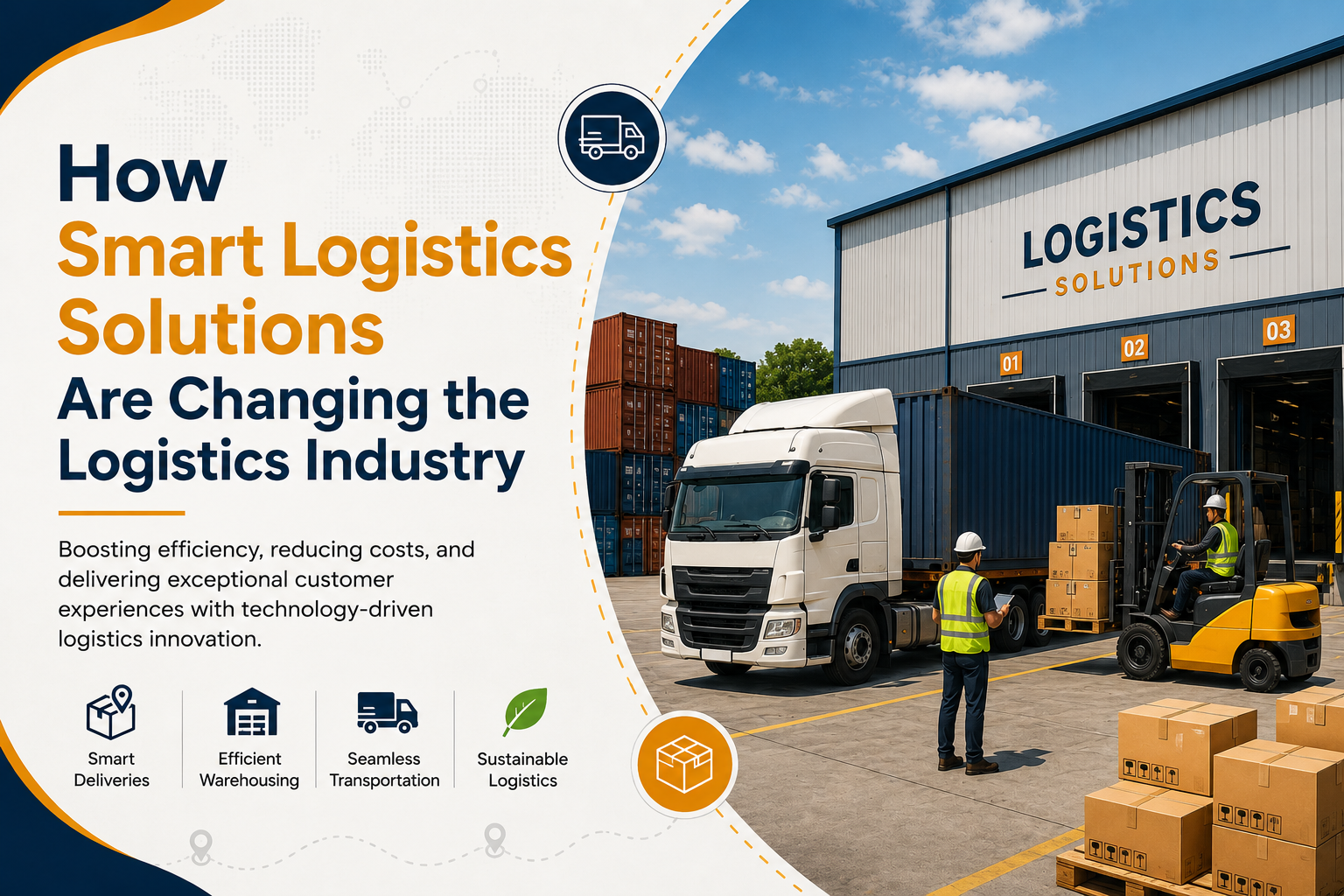
From same-day deliveries to AI-powered warehouses, logistics startups are redefining how global supply chains operate. The logistics industry is experiencing one of the biggest transformations in modern business history as technology-driven startups challenge traditional systems with faster, smarter, and more efficient solutions.
Traditional supply chain operations once relied heavily on manual processes, outdated tracking systems, and slow delivery methods. Today, innovative startups are using artificial intelligence, automation, and real-time data to completely reshape how products move across the world.
The rise of e-commerce, increasing customer expectations, and global trade expansion have created enormous opportunities for modern logistics businesses. Startups are no longer just competing with traditional logistics providers they are actively driving the future of supply chain innovation through advanced technology and digital transformation.
Businesses exploring modern logistics technology solutions are increasingly investing in automation and intelligent supply chain systems to stay competitive in a rapidly evolving market.
The Rapid Growth of Logistics Startups
The global logistics market continues to expand at an impressive pace. According to industry reports, the global logistics market is expected to surpass $18 trillion by 2030, driven by e-commerce growth, cross-border trade, and digital transformation initiatives.
One of the biggest reasons behind this growth is the increasing demand for faster and more reliable shipping services. Consumers now expect same-day or next-day delivery, especially in the e-commerce sector. This shift has pushed businesses to invest heavily in smarter supply chain operations and modern logistics technologies.
As a result, startup logistics trends are becoming one of the most discussed topics in both the business and technology sectors. Investors are funding logistics startups at record levels because these companies are solving real-world delivery and supply chain challenges with scalable digital solutions.
Companies such as Flexport, ShipBob, Delhivery, and Convoy have demonstrated how technology-first logistics businesses can rapidly scale while improving efficiency across the supply chain ecosystem.
Modern startup logistics trends show that businesses are prioritizing automation, cloud-based infrastructure, AI-powered supply chain analytics, and real-time shipment visibility more than ever before.
How Technology Is Changing Logistics Operations
Technology has become the backbone of modern logistics. Many startups are introducing smart logistics solutions that improve operational efficiency, reduce costs, and enhance customer experience.
Artificial intelligence is helping logistics companies predict delivery times more accurately, optimize delivery routes, and reduce fuel consumption. Machine learning algorithms analyze traffic patterns, weather conditions, and customer behavior to improve delivery performance.
Businesses implementing advanced AI solutions for logistics automation are improving delivery accuracy, warehouse management, and operational visibility across supply chains.
Real-time shipment tracking is another major innovation disrupting the industry. Customers no longer want to wait without updates. Modern logistics startups provide live tracking systems that allow customers and businesses to monitor shipments instantly.
Warehouse automation is also transforming fulfillment operations. Startups are using robotics, automated sorting systems, and AI-driven inventory management tools to process orders faster and reduce human error.
Companies like Amazon and FedEx are heavily investing in automation, robotics, and AI-powered logistics infrastructure to improve delivery speed and operational efficiency.
Businesses adopting smart logistics solutions are also reducing operational inefficiencies and improving customer satisfaction through predictive analytics and automation technologies.
As startup logistics trends continue evolving, companies investing in smart logistics solutions are gaining a major competitive advantage in the logistics industry.
The Rise of E-commerce Logistics Solutions
The massive growth of online shopping has completely changed logistics requirements. Traditional supply chain systems were not designed to handle millions of small, fast-moving online orders every day. This is where e-commerce logistics solutions are playing a critical role.
Modern logistics startups are building specialized systems designed specifically for online retailers. These e-commerce logistics solutions include automated order fulfillment, last-mile delivery optimization, smart inventory management, and real-time tracking platforms.
For example, Amazon’s logistics innovation has changed customer expectations worldwide. Fast delivery options like same-day shipping have forced other logistics companies and startups to improve their own systems. Many startups are now focusing entirely on helping e-commerce brands deliver products faster and more efficiently.
Research shows that global e-commerce sales are expected to exceed $8 trillion by 2027. This growth will continue increasing demand for scalable and intelligent logistics infrastructure.
Businesses learning how to start an eCommerce business in India are now prioritizing efficient logistics and fulfillment systems as a critical part of long-term growth.
Startups that focus on e-commerce logistics solutions are also helping small businesses compete with larger brands by providing affordable fulfillment and shipping technologies.
The future of e-commerce logistics solutions will likely include drone deliveries, AI-powered inventory forecasting, autonomous delivery vehicles, and hyper-fast fulfillment systems.
Sustainable Logistics Startups Are Gaining Attention
Sustainability has become a major focus in the logistics industry. Transportation and shipping operations contribute significantly to global carbon emissions, which has created pressure for companies to adopt greener practices.
As a result, sustainable logistics startups are emerging with eco-friendly business models and innovative transportation solutions. These startups are using electric delivery vehicles, carbon-neutral shipping strategies, route optimization technology, and energy-efficient warehouses to reduce environmental impact.
Companies across the world are investing in green logistics because customers are becoming more environmentally conscious. Businesses now understand that sustainability is not only good for the planet but also beneficial for long-term operational efficiency and brand reputation.
According to the International Energy Agency, transportation accounts for nearly 24% of global CO2 emissions from fuel combustion. This statistic highlights why sustainable innovation in logistics is becoming increasingly important.
Many sustainable logistics startups are also using AI to reduce unnecessary fuel consumption and optimize fleet operations, which lowers costs while supporting sustainability goals.
Experts predict that sustainable logistics startups will continue driving innovation in green transportation, carbon-neutral delivery systems, and eco-friendly supply chain strategies over the next decade.
Smart Logistics Solutions Are Improving Customer Experience
Customer expectations in logistics have changed dramatically over the past decade. Speed, transparency, and reliability are now critical factors in customer satisfaction.
This is why smart logistics solutions are becoming essential for modern supply chains. Logistics startups are integrating technologies such as IoT sensors, cloud computing, blockchain, and predictive analytics into their operations.
IoT-enabled devices help companies track goods in real time and monitor conditions like temperature, humidity, and handling quality during transportation. This is especially important for industries such as pharmaceuticals and food delivery.
Cloud-based logistics platforms are also helping businesses manage inventory, warehouse operations, transportation, and delivery systems from a single dashboard.
Blockchain technology is improving supply chain transparency by creating secure and traceable shipment records. This reduces fraud and increases trust between suppliers, logistics providers, and customers.
Businesses investing in scalable digital infrastructure often compare full-stack vs headless web development for startups when building advanced logistics and e-commerce platforms.
CRM systems are also becoming important in logistics operations, helping companies manage customer communication, order tracking, and business relationships more efficiently through custom CRM development services.
By improving visibility and efficiency, smart logistics solutions are creating faster and more reliable customer experiences than traditional systems.
The Growing Importance of Logistics Management Technology
As supply chains become more complex, businesses are increasingly investing in logistics management technology to improve efficiency, reduce operational costs, and enhance customer satisfaction.
Modern logistics startups are leveraging logistics management technology such as AI-powered analytics, warehouse automation systems, predictive tracking, and cloud-based transportation platforms to streamline operations.
Many companies are adopting logistics management technology to gain real-time visibility into inventory, shipping performance, and delivery timelines. This shift is helping businesses reduce delays, improve order accuracy, and strengthen overall supply chain performance.
The growing adoption of logistics management technology is also creating new opportunities for startups focused on automation, smart warehousing, and digital freight management.
Experts believe logistics management technology will continue to play a major role in shaping the future of global logistics operations.
Startup logistics trends are increasingly focused on advanced logistics management technology because businesses now require faster, data-driven, and scalable logistics solutions.
Challenges Logistics Startups Still Face
Despite rapid growth and innovation, logistics startups still face several challenges. High operational costs, infrastructure limitations, fuel price fluctuations, and complex regulations remain major obstacles.
Scaling logistics operations is also difficult because supply chains require large investments in technology, transportation networks, and warehousing infrastructure.
Competition is another challenge. Traditional logistics companies are now adopting digital transformation strategies to compete with startups. Many established businesses are investing heavily in AI, automation, and smart delivery systems.
However, startups often move faster than large corporations because they can innovate quickly and adapt to changing market demands.
Even with these challenges, startup logistics trends indicate that digital transformation and automation investments will continue growing rapidly.
The Future of Logistics Startups
The future of logistics will likely be driven by automation, artificial intelligence, sustainability, and hyper-fast delivery systems. Experts predict that technologies such as autonomous vehicles, delivery drones, and AI-powered warehouses will become more common over the next decade.
Startup logistics trends indicate that businesses will increasingly prioritize efficiency, transparency, and sustainability. Companies that fail to modernize may struggle to compete in this rapidly evolving industry.
As digital transformation continues, logistics startups will play a major role in shaping global commerce and supply chain innovation.
The future of e-commerce logistics solutions and smart logistics solutions will focus heavily on predictive analytics, automation, and customer-centric delivery systems.
At the same time, sustainable logistics startups are expected to lead the next wave of green supply chain innovation across global markets.
Conclusion
Logistics startups are disrupting the industry by introducing faster, smarter, and more efficient ways to manage supply chains and deliveries. Through e-commerce logistics solutions, smart logistics solutions, sustainable logistics startups, and advanced logistics management technology, these companies are transforming how businesses move products worldwide.
Technology is no longer optional in logistics it has become the foundation of modern supply chain success. Businesses that embrace automation, AI-driven operations, and digital logistics innovation today will lead the supply chains of tomorrow.
At Innodify, a leading web development company in Surat, we help businesses adopt intelligent digital solutions that improve operational efficiency, streamline workflows, and support future-ready business growth. From logistics management technology to AI-powered automation and scalable web platforms, Innodify helps modern businesses stay competitive in an increasingly digital world.
Businesses investing in smart logistics solutions, e-commerce logistics solutions, sustainable logistics startups, and advanced logistics management technology will be better positioned for long-term operational success and customer satisfaction.
Frequently Asked Questions (FAQs)
What are logistics startups?
Logistics startups are companies that use technology and innovation to improve transportation, supply chain management, warehousing, and delivery operations.
How are logistics startups changing the industry?
They are improving efficiency through AI, automation, real-time tracking, smart warehouses, and faster delivery systems.
What are e-commerce logistics solutions?
E-commerce logistics solutions include order fulfillment, inventory management, shipment tracking, warehouse automation, and last-mile delivery systems designed for online businesses.
Why are sustainable logistics startups important?
Sustainable logistics startups help reduce environmental impact by using eco-friendly transportation, electric vehicles, route optimization, and energy-efficient operations.
What technologies are used in smart logistics solutions?
AI, IoT, blockchain, robotics, cloud computing, predictive analytics, and automation technologies are commonly used in smart logistics solutions.
What is logistics management technology?
Logistics management technology refers to digital systems and software used to manage transportation, inventory, warehouse operations, shipment tracking, and supply chain processes more efficiently.
What is the future of logistics startups?
The future includes AI-driven supply chains, autonomous delivery vehicles, drone deliveries, automated warehouses, and sustainable transportation systems powered by modern logistics management technology.
Recommended for you

AI Automation for Small Businesses in India: A Simple Start Guide
Discover how AI automation for small businesses in India can help you save time, manage leads, and grow faster. A simple, practical guide to get started without confusion.

How AI Chatbots Are Increasing Sales for E-commerce Brands
AI chatbots are transforming e-commerce by acting as virtual sales assistants that engage customers, provide instant support, and deliver personalized product recommendations. In this complete 2026 guide, discover how chatbots increase conversions, reduce cart abandonment, and help brands scale efficiently with automation.

Top 7 Signs Your Business Needs a New Website
Is your website helping your business grow or driving customers away? An outdated, slow, or non-mobile-friendly website can hurt your credibility, reduce conversions, and lower your Google rankings. In this blog, we explore the top 7 signs that indicate it’s time to redesign or rebuild your business website. From poor user experience and slow loading speeds to weak SEO performance and low lead generation, these warning signs can directly impact your revenue.